How we research: this guide is based on manufacturer specifications, published data and verified customer feedback. Products are not personally tested unless marked “Tested by us”. Our process.
We may earn a commission when you buy through links on this site, at no extra cost to you. As an Amazon Associate I earn from qualifying purchases.
This guide is for anyone setting up a tropical aquarium, updating an older tank, or trying to keep water conditions steady after a problem. Start with Fish Tank Temperature: How to Keep It Stable, Fish Tank Temperature for Tropical Fish: The Safe Range, and What Temperature Should a Fish Tank Be? so you know the target before you buy equipment.
From there, use Best Aquarium Heater in 2026 to match heater style and size to your tank and room conditions. If you want the simplest day-to-day water care, jump to Best Aquarium Water Conditioner in 2026 and Best Aquarium Water Test Kit in 2026.
This hub is the map for the whole category. It explains what each product does, when you need it, and how the pieces work together. For first-time setups, pair the water-care basics with How to Cycle a New Aquarium before adding fish.
Quick picks
Comparison table
| Type | Best for | Main trade-off | Check price |
|---|---|---|---|
| Adjustable submersible heater (Aqueon Pro style) | Most freshwater tropical tanks | Needs correct sizing and a separate thermometer to confirm the real water temperature. | — |
| Preset heater | Simple small setups | Less flexible when room temperature changes or the tank needs fine tuning. | — |
| Heater with external controller | Sensitive or high-value systems | More parts and setup, but better control and redundancy. | — |
| Concentrated water conditioner (Seachem Prime style) | Every tap-water change when you want one all-purpose bottle | Must be measured carefully and still does not replace water changes. | AmazoneBay |
| Simple dechlorinator (Tetra AquaSafe Plus style) | Routine tap-water changes | Less broad than a concentrated all-purpose conditioner. | AmazoneBay |
| Freshwater bottled bacteria starter (Tetra SafeStart Plus) | New freshwater tanks | Helpful at start-up, but not a substitute for cycling and testing. | AmazoneBay |
| Liquid freshwater test kit (API Freshwater Master Test Kit) | Cycling and troubleshooting | Useful diagnostics, but it only shows the water conditions at the moment you test. | AmazoneBay |
| Separate thermometer | Checking the actual water temperature | It measures temperature only; it does not heat the tank or fix a bad heater setting. | — |
Our picks in detail
Aqueon Pro Adjustable Heater
Best for: Most freshwater tropical aquariums that need a straightforward adjustable heater
Fully submersible heater with an adjustable range from 68 to 88°F.
Available in a family of wattages from 50W up to 300W, so it can be matched to different tank sizes.
Built with shatterproof thermal-plastic housing and an auto shutoff feature if it is tilted too far.
What owners mention: Verified owners commonly praise the sturdy, shatter-resistant build and close temperature control. The main complaint themes are occasional temperature drift, confusing indicator-light behavior on newer units, and isolated failure reports.
- Type
- Adjustable submersible aquarium heater
- Temperature range
- 68-88°F
- Wattages
- 50W, 100W, 150W, 200W, 300W
- Safety features
- Shatterproof thermal plastic, auto shutoff if tilted too far, LED heating indicator
- Use
- Freshwater and saltwater
- Warranty
- Limited lifetime warranty
Pros
- Flexible sizing across common tank setups
- Simple adjustable control for tropical aquariums
- Useful safety features for a submersible heater
Cons
- Still needs a separate thermometer for verification
- Like any heater, it should be monitored and sized carefully
Skip it if: you want a fully controller-managed heating setup or do not want to verify temperature with a separate thermometer.
Seachem Prime
Best for: Tap-water changes when you want concentrated conditioning and temporary detox support
Concentrated water conditioner for routine new-water treatment.
Temporarily binds ammonia, nitrite, and nitrate.
Useful during water changes and as support during new-tank start-up.
What owners mention: Verified owners commonly praise its concentration and usefulness for routine water changes. The main complaint theme is the strong sulfur smell and confusion about dosing or how it fits into cycling.
- Type
- Concentrated water conditioner
- Dose
- 1 capful (5 mL) per 50 US gallons of new water
- Main role
- Temporary ammonia, nitrite, and nitrate binding
- Size family
- 50 mL to 4 L
Pros
- Very concentrated and easy to keep on hand
- Broad utility for new water and tank maintenance
- Common default for tap-water conditioning
Cons
- Requires careful measuring because it is concentrated
- The odor can be unusual to first-time users
Skip it if: you want a light-smelling conditioner with minimal measuring or do not need temporary ammonia, nitrite, and nitrate binding.
Tetra AquaSafe Plus
Best for: Straightforward dechlorination during routine tap-water changes
Water conditioner for freshwater and marine fish.
Neutralizes chlorine, chloramines, and heavy metals while adding slime-coat protection for fish.
A simple conditioning option for routine water changes.
What owners mention: Verified owners commonly praise that it reliably handles tap-water chlorine and chloramine and leaves fish active after water changes.
- Type
- Water conditioner
- Use
- Freshwater and marine
- Main role
- Routine tap-water conditioning
- Available sizes
- 1.69, 3.38, 8.45, 16.9, and 33.8 fl oz
Pros
- Easy-to-understand dosing
- Good fit for regular maintenance water changes
- Adds slime-coat support as part of conditioning
Cons
- Does not replace water testing
- Does not cycle a tank on its own
Skip it if: you need a conditioner that also offers Prime-style temporary ammonia support or prefer a more concentrated formula.
Tetra SafeStart Plus
Best for: New freshwater tanks that need bottled bacteria support during cycling
Freshwater bottled bacteria starter designed for new aquarium start-up.
Intended to help reduce ammonia and nitrite during the early stage of cycling.
Follow the label for storage and handling; do not freeze or overheat it.
What owners mention: Verified owners commonly describe it as helpful for kick-starting a new tank or after filter maintenance. The main caution theme is that it helps, but it is not magic, so cycling and testing still matter.
- Type
- Freshwater bottled bacteria starter
- Use
- Freshwater aquariums
- Purpose
- Start-up support for ammonia and nitrite control
- Storage
- Do not freeze or overheat
Pros
- Easy add-on for a new freshwater setup
- Can help support a cleaner start while the tank cycles
- Simple to use alongside standard water care
Cons
- Freshwater only
- Not a replacement for cycling, testing, or responsible stocking
Skip it if: your tank is already established and you are not starting a new freshwater aquarium.
API Freshwater Master Test Kit
Best for: Freshwater cycling and routine water checks
Liquid freshwater test kit for the core parameters that matter during cycling and maintenance.
Useful when you need to verify water quality instead of guessing after fish show stress.
A practical add-on for new tanks and long-term monitoring.
What owners mention: Verified owners commonly praise the accuracy and readability, and many say it is more useful than strips. The main complaint theme is that liquid testing takes more time and care than strip tests, and some buyers report fragile glass tubes or missing accessories.
- Type
- Liquid freshwater test kit
- Use
- Freshwater aquariums
- Measures
- Ammonia, nitrite, nitrate, pH, and high-range pH
- Includes
- 7 reagents, 4 test tubes, tray, and color card
- Approximate tests
- About 800 tests
Pros
- More informative than a quick visual guess
- Helpful during cycling and after major tank changes
- Useful for routine monitoring when fish seem off
Cons
- Requires careful reading of color changes
- Only tells you the water condition at the time you test
Skip it if: you only want a quick strip test and do not want liquid reagents.
Start with the temperature your fish actually need
Most aquarium temperature problems begin with the target being vague. The right heater depends on the species you plan to keep, the room temperature around the tank, and how stable you need the water to stay. For a simple overview of target ranges, start with Fish Tank Temperature for Tropical Fish: The Safe Range and What Temperature Should a Fish Tank Be?.
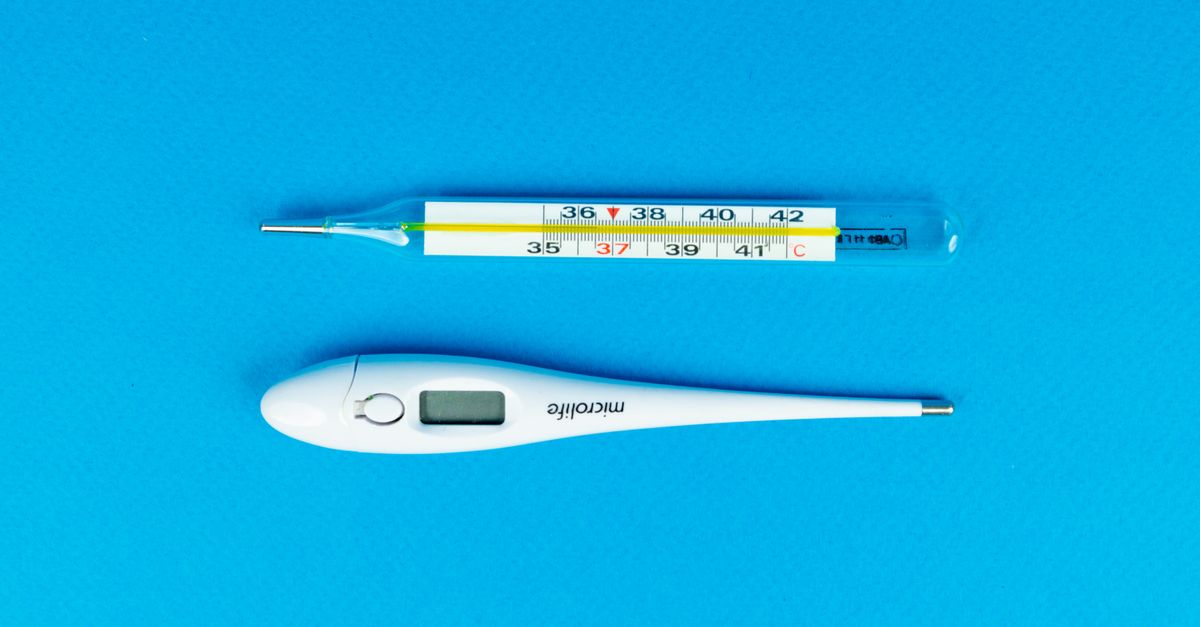
A separate thermometer matters even when the heater has a dial or display. The heater is trying to reach a set point, but the thermometer is what tells you whether the tank is actually there. If you want a quick model comparison after you know the target, go to Best Aquarium Heater in 2026.
- Use the fish species and setup goal to set the temperature target first.
- Treat the thermometer as required equipment, not an accessory.
- If your room gets cold or swings a lot, choose a heater with some adjustment room.
- Cool-water species may not need added heat at all.
Choose the heater style and size that fit your tank
For most freshwater aquariums, an adjustable submersible heater is the easiest default choice. Preset heaters are simpler, but they give you less control if the room changes with the seasons. More advanced setups may use an external controller for redundancy and precision, but they also add cost and setup complexity.
Tip: If the tank sits near a window, vent, or basement wall, size the heater for the coldest part of the year, not the mildest day. For tanks with unusual dimensions, the Aquarium Volume Calculator helps you confirm the true gallons before you follow the heater chart. If you are still comparing tank sizes and starter setup choices, the broader Aquarium Tanks & Starter Kits Buying Guide for 2026 can help you think through the whole system.
- Adjustable submersible heaters suit most home freshwater tanks.
- Preset heaters work best when the room stays fairly stable.
- External-controller setups are better for sensitive or high-value aquariums, but they are more involved.
- Good water circulation around the heater helps distribute heat more evenly.
- Avoid both obvious under-sizing and unnecessary oversizing.
How to size a heater for tank size and room temperature
Use the manufacturer sizing chart first. Then check your actual tank volume, the difference between room temperature and target temperature, whether the aquarium has a tight lid or an open top, and how well water circulates around the heater. A tank in a warm room with a covered top may fit the chart neatly, while the same tank in a cool basement or open-top setup may need a larger heater or a second unit.
For larger aquariums, some aquarists split the load across two heaters so the heat spreads more evenly. Whatever size you choose, confirm the actual water temperature with a separate thermometer and adjust slowly instead of making big changes all at once.
- Use the heater maker's chart before trusting a shortcut.
- Size up for cool rooms, open tops, and poor circulation.
- Use the lower end of the chart only when the room stays warm and stable.
- For larger aquariums, two heaters can be easier to balance than one large one.
Water conditioner is part of every tap-water change
If you use municipal tap water, conditioner should be part of the routine any time untreated water goes into the aquarium. Chlorine and chloramine can harm fish and filter bacteria, so the conditioner is not optional in a normal tap-water setup. For product comparisons, see Best Aquarium Water Conditioner in 2026.
Seachem Prime and Tetra AquaSafe Plus are both common starting points, but they are not identical. Prime is highly concentrated and can temporarily bind ammonia, nitrite, and nitrate. AquaSafe Plus focuses on dechlorination, heavy metals, and slime-coat support. Use the label dose every time you add untreated water, and do not count on conditioner to replace regular water changes. If you want a simple maintenance rhythm, the guide on how often to change aquarium water is a helpful follow-up.
Good to know: Conditioner makes new water safer, bottled bacteria supports the cycle, and a test kit tells you whether the tank is actually ready.
- Dose conditioner according to the label, not by guesswork.
- Treat every new water addition unless your water source is already conditioned.
- Conditioner helps with tap-water safety, but it does not cycle a tank.
- If your source water changes, test again instead of assuming old habits still work.
Test kits and thermometers catch problems early
A heater dial and a conditioner bottle do not tell you what is happening inside the aquarium. A separate thermometer confirms the actual water temperature, and a liquid test kit shows whether the nitrogen cycle is moving in the right direction.
Testing matters most when the aquarium is new, after a major water change, after filter changes, or when fish are acting off. If you are still building the biological side of the tank, follow How to Cycle a New Aquarium so the test results have a clear purpose. If fish still seem unwell after the water checks out, contact an aquatic vet or an experienced fish store instead of guessing at a diagnosis. Rinse the tubes promptly after testing and cap the reagents tightly.
In short: If the temperature is stable but the fish still look stressed, test the water before you add more products.
- Use a test kit often during cycling and after major changes.
- Keep a separate thermometer in the tank at all times.
- Test promptly if fish gasp, stop eating, or behave differently after equipment changes.
- If readings are unclear, recheck before adding more products.
Install heater and water-care gear safely
Aquarium heaters and other electrical gear need a cautious setup. Let a new heater acclimate in the water before powering it on, keep it submerged while it is running, and unplug it before draining water. Good water movement around the heater helps prevent hot spots and makes the reading more stable. If your filter is part of the circulation plan, the Aquarium Filters and Pumps: How to Choose in 2026 guide explains how flow and turnover affect the whole system.
Watch out: Never power a heater outside the water or remove it while it is still hot. For electrical safety, use a drip loop and a GFCI outlet anywhere equipment sits near water. Those habits matter more than the logo on the heater box. A built-in indicator light or thermostat is useful, but it is still not a substitute for basic placement, a thermometer, and routine checks.
- Unplug the heater before water changes or when the water level will drop below it.
- Do not turn it on until it has acclimated in the tank water.
- Use a drip loop and a GFCI outlet for gear near water.
- Place the heater where water circulates but it is not buried in substrate or crowded by decor.
- Let the heater cool before removing it from the aquarium.
Choose the simplest setup that fits your tank
If you are building from scratch, decide the tank and filtration first, then add heat and water care. The right order prevents mismatched gear and makes it easier to stock the aquarium responsibly.
If you already have an aquarium, buy for the problem you actually have. Temperature swings point to heater and thermometer choices. Tap-water stress points to conditioner. Unclear ammonia or nitrite readings point to a test kit. If you are still learning the basics of maintenance and stocking, the Fish Care Guides: The Complete Beginner's Guide for 2026 and How to Clean a Fish Tank Safely: Step-by-Step are the right places to branch out next. Never release aquarium animals or plants into the wild; rehome them responsibly instead.
- New setup: tank, filter, heater if needed, conditioner, test kit, and bottled bacteria for the initial cycle.
- Established tank with stable heat: conditioner and test kit may matter more than a heater upgrade.
- Troubleshooting tank: start with thermometer and water tests before buying more chemicals.
- Stock slowly and keep the tank cycled before adding more fish.
FAQ
Do I need a heater in every aquarium?
No. You need a heater when the species you keep require warmer water than the room can reliably provide, or when the room temperature swings too much. Cool-water fish may not need one.
Is a heater with a built-in thermostat enough?
It helps, but it should not be your only check. Use a separate thermometer so you know the actual water temperature, not just the heater setting.
How often should I use water conditioner?
Every time you add untreated tap water. Conditioner is part of normal filling and water changes, not a one-time product.
What is the difference between water conditioner and bottled bacteria?
Conditioner makes new water safer by dealing with chlorine, chloramine, or related issues. Bottled bacteria is a start-up helper that supports the biological cycle in a new freshwater tank. They do different jobs.
Can I add fish right after dosing conditioner?
Conditioner helps prepare the water, but it does not cycle the tank. Add fish only after the aquarium is cycled and the temperature and water chemistry are appropriate for the species.
How do I know if my heater is the right size?
It should maintain the target temperature without running constantly or failing to keep up. Start with the manufacturer sizing chart, then factor in room temperature, tank volume, lid or open-top design, and circulation. If the room is very cool or the tank is open top, you may need more capacity.
What is the safest electrical setup near aquarium water?
Use a GFCI outlet, keep a drip loop in every cord, and unplug the heater before water changes. Keep cords dry and avoid placing plugs where splashes can reach them.
If my fish seem sick, should I just add more conditioner or bacteria?
Not blindly. Test the water first, verify the temperature, and if the fish still look unwell after that, contact an aquatic vet or an experienced fish store for help.
What should I buy first for a new freshwater tank?
Start with the tank and filter, then add a heater if the species needs warmth. After that, keep conditioner, a liquid test kit, and bottled bacteria on hand for the initial cycle. Once the tank is established, keep testing and conditioning water as part of the routine.
The bottom line
The simplest way to shop this category in 2026 is to start with the temperature target, then choose a heater, then keep conditioner and a test kit on hand for routine care and troubleshooting. That sequence covers most home aquariums without buying more than you need.
If you want the next step, compare Best Aquarium Heater in 2026 and keep the safety basics in place every time you work in the tank.